Showing posts with label Cancer. Show all posts

Tough Cancers Cured

Tough Cancers Cured
When I heard the diagnosis of cancer, the question arises in the minds of most people is how much chance of recovery. Unfortunately, some types of cancer is still difficult to cure, even though it does not mean not at all.
Actually there are a lot of factors that affect the chances of recovering a cancer, but the main thing is how quickly the symptoms initially detected. The earlier symptoms are detected sooner and receive the appropriate treatment, the chances of recovery will be higher.
"In principle, the sooner detected, the greater the chance of recovery., And when it is detected, do not run to the alternative," Dr. Ramadan message, SpBOnk, a cancer specialist at Cancer Hospital Dharmais when contacted detikHealth, as written on Wednesday (09/26/2012).
Unfortunately, according to Dr. Ramadan, most cancer patients in Indonesia came under conditions already in stage 3 or 4. This makes any kind of cancer is so difficult to cure, not because there are no drugs or therapies are appropriate but sometimes because it's too late.
Whatever type of cancer, if detected and treated early then hope for a cure is very large. Advances in medical technology make cancer therapy in the present does not always have to be painful, such as the presence of targeted therapy (targeted therapy) are minimal side effects.
Some types of cancer do have a lower chance of recovery than others. Lung cancer, for example, are relatively more difficult to cure because it spreads very fast and until now no drug is truly effective to overcome.
"Today is considered good prognosis include thyroid cancer, skin cancer and breast cancer, while the worst prognosis of pancreatic cancer, liver and lungs," said Dr. Sonar Soni Panigoro, SpBOnk (K), director of the Cancer Hospital Dharmais detikHealth previous article .
However, the suggestion for the early detection remains valid for any type of cancer. As stated by Dr. Ramadan, one way is to always be wary of any lump in the body and immediately checked if deemed suspicious.

Esophagus Cancer (Esophageal Cancer) - Sign, Symptoms, and Factor

Esophagus Cancer (Esophageal Cancer) - Sign and Symptoms


The definition of Esophagus

Esophagus is a hollow tube that transports food and liquids from the throat to the stomach. When a person swallows, the muscular walls of the esophagus contract to push food down into the stomach. Glands in the lining of the esophagus produce mucus, which maintain the passageway moist and makes swallowing easier. Esophagus is located just behind the trachea (windpipe). In an adult, the esophagus is about 10 inches in length.

What is cancer?

Cancer is a disease that affects the cells, the body's basic unit of life. To understand any type of cancer, it is useful to know about normal cells and what happens when they become cancerous.

The body is made up of many types of cells. Normally, cells grow, divide, and produce more cells when they are needed. This process maintains the body healthy and functioning properly. Sometimes, however, cells keep dividing when new cells are not needed. This mass of extra cells (additional) forming a growth or tumor. 
Tumors can be benign or malignant.

Benign tumors are not cancer. They can usually be removed or raised and, in most cases, they do not come back. Cells in benign tumors do not spread to other parts of the body. Most important, benign tumors are rarely a threat to life.

Malignant tumors are cancer. Cells in malignant tumors are abnormal and divide without control or order. These cancer cells can subjugate and destroy the tissue around them. Cancer cells can also break away from a malignant tumor and enter the bloodstream or lymphatic system (the tissues and organs-organism that produce, store and carry white blood cells that fight infections and other diseases). This process, called metastasis, is how cancer spreads from the original tumor (primary) to form new tumors (secondary) in other parts of the body.

Cancer that begins in the esophagus (also called esophageal cancer) is divided into two major types, squamous cell carcinoma and adenocarcinoma, depending on the type of malignant cells. Squamous cell carcinomas arise in squamous cells that line the esophagus. These cancers usually occur on the top and middle of the esophagus. Adenocarcinomas usually develop in tissues that glandulous at the bottom of the esophagus. 

Treatment is similar for both types of esophageal cancer.

If the cancer has spread beyond the esophagus, it is often the first to go to-lymph node. Lymph-lymph nodes are small structures that shaped nuts that are part of the body's immune system. Esophageal cancer can also spread to almost all other parts of the body, including liver, lung, brain, and bones.
Risk Factors

The exact causes of esophageal cancer is unknown. However, studies show that any of the following factors may increase the risk of developing esophageal cancer:

* Age. Esophageal cancer is more likely to occur as people get older; most people who develop esophageal cancer are over age 60 years.
* Gender. Esophageal cancer is more common in men than in women.
* Tobacco Use. Smoking cigarettes or using smokeless tobacco is one of the major risk factors for esophageal cancer.
* Use of Alcohol. Chronic alcohol use and / or weight is another major risk factor for esophageal cancer. People who use both alcohol and tobacco have an especially high risk of esophageal cancer. Scientists believe that these compounds enhance the effects of each other's harmful.
* Barrett's Esophagus. Long-term irritation can increase the risk of esophageal cancer. Tissues at the bottom of the esophagus can be infect if stomach acid frequently back into the esophagus - a problem called gastric reflux. Through time, the cells in the irritated part of the esophagus may change and begin to resemble the cells that line the stomach. This condition, known as Barrett's esophagus, is a malignant condition before , which may develop into adenocarcinoma of the esophagus.
* Other Types of Irritation. Other causes of significant irritation or damage to the lining of the esophagus, such as swallowing lye or caustic compounds (sharp) others, can increase the risk of developing esophageal cancer.
* Medical History. Patients who have had cancers of other head and neck have increased chance of developing a second cancer in the head and neck area, including esophageal cancer.

Having any of these risk factors increase the likelihood that a person will develop esophageal cancer. Still, most people with one or even several of these factors do not get the disease. And most people who get cancer of the esophagus does not have any of these risk factors are unknown.

Identifying factors that increase a person's chances of developing esophageal cancer is the first step toward preventing the disease. We already know that the best way to prevent this type of cancer is to quit (or never start) smoking cigarettes or using smokeless tobacco and to drink alcohol only in moderation. Researchers continue to study the causes of esophageal cancer and to find other ways to prevent it. For example, they are investigating the possibility that increasing the input of the fruits and vegetables a person, especially a raw, may reduce the risk of this disease.

Researchers also are studying ways to reduce the risk of esophageal cancer for people with Barrett's esophagus.
Recognize the symptoms

Early esophageal cancer usually causes no symptoms. However, when the cancer grows, symptoms may include:

* Swallowing is difficult and painful
* Losing weight is heavy / severe
* Pain in the throat or back, behind the breastbone or between the shoulder blades
* Hoarseness or chronic cough
* Vomiting
* Coughing up blood

These symptoms may be caused by esophageal cancer or by other conditions. It is important to check with a physician.

Diagnosing  EsophagusCancer

To help find cause of symptoms, the doctor evaluates a person's medical history and perform a physical examination. Doctors usually order a chest x-ray and other diagnostic tests. These tests may include the following:

* Barium swallow (also called an esophagram) is a series of x-rays esophagus. Patients drink a liquid containing barium, which coats the inside of the esophagus. The barium makes any changes to the shape of the esophagus appear on x-rays.
* Esophagoscopy (also called endoscopy) is a test from the inside of the esophagus using a thin lighted tube called an endoscope. Anesthesia is usually used during this procedure. If an abnormal area is found, the doctor can take cells and tissues through the endoscope for examination under a microscope. This is called a biopsy. A biopsy can show cancer, tissue changes that may lead to cancer or other conditions.

Pen-stadium Disease

If the diagnosis is esophageal cancer, the doctor needs to learn the stage (or extent) of disease. Pen-stadium is a careful attempt to find out whether the cancer has spread and, if so, to what parts of the body. Knowing the stage of the disease helps the doctor plan treatment. Listed below are the descriptions of the four-stage esophageal cancer.

* Stage I. Cancer is found only in the upper layers of cells lining the esophagus.
* Stage II. Cancer involves the layers deeper than the lining of the esophagus, or it has spread to the lymph-adjacent lymph nodes. Cancer still has not spread to other parts of the body.
* Stage III. Cancer has invaded more deeply into the wall of the esophagus or has spread to tissues or lymph-lymph node near the esophagus. He still has not spread to other parts of the body.
* Stage IV. The cancer has spread to other parts of the body. Esophageal cancer can spread almost anywhere in the body, including liver, lung, brain, and bones.
Several tests are used to determine whether the cancer has spread include:

* CAT (or CT) scan (computed tomography). Computers that are connected to x-ray machine creates a series of detailed pictures of areas inside the body.
* Bone scan. This technique, which creates pictures (images) of the bones on a computer screen or on film, can show whether cancer has spread to the bones. A small amount of radioactive compound is injected into a vein; he walked through the bloodstream, and gather in the bones, especially in the areas of abnormal bone growth. An instrument called a scanner measures the radioactivity levels in these areas.
* Bronchoscopy. Doctors put the bronchoscope (a thin, lighted tube) into the mouth or nose down through the windpipe to look into the streets of the respiratory passage.

Treatment

Treatment for esophageal cancer depends on a number of factors, including size, location, and extent of the tumor, and the overall health of the patient. Patients are often treated by a team of specialists, which may include a gastroenterologist (a doctor who specializes in diagnosing and treating disorders of the digestive system), surgeon (a doctor who specializes in removing or repairing body parts ), medical oncologist (a doctor who specializes in treating cancer), and radiation oncologist (a doctor who specializes in using radiation to treat cancer). Because cancer treatment may make the mouth sensitive and at risk for infection, doctors often advise patients with esophageal cancer to see a dentist for a dental examination and treatment before cancer treatment begins.

Many treatments and combination of different treatments may be used to control cancer and / or to improve the quality of life of patients by reducing symptoms.

* Surgery is the most common treatment for esophageal cancer. Typically, surgeons remove the tumor along with all or part of the esophagus, lymph-adjacent lymph nodes and other tissues in that area. Surgery to remove the esophagus is called esophagectomy. The surgeon connects the remaining healthy part of the esophagus to the stomach so the patient is still able to swallow. Occasionally, a plastic tube or part of the intestine is used to make the connection. The surgeon may also widen the opening between the stomach and small intestine to allow stomach contents to more easily pass into the small intestine. Sometimes surgery is done after other treatment is completed.
* Radiation therapy, also called radiotherapy, involves the use of high-powered rays to kill cancer cells sek. Radiation therapy affects cancer cells only in the treated area. Radiation may come from a machine outside the body (external radiation) or from radioactive materials placed in or near the tumor (internal radiation). A plastic tube may be inserted into the esophagus to maintain it open during radiation therapy. This procedure is called intraluminal intubation and dilation. Radiation therapy may be used alone or combined with chemotherapy as primary treatment instead of surgery, especially if the tumor size or location would make surgery difficult. Doctors may also combine radiation therapy with chemotherapy to shrink the tumor before surgery. Even if the tumor can not be removed by surgery or destroyed entirely by radiation therapy, radiation therapy can often help pain and make swallowing easier.
* Chemotherapy is the use of anticancer drugs to kill cancer cells. Anticancer drugs used to treat esophageal cancer travel through the body. Anticancer drugs used to treat esophageal cancer are usually given by injection into a vein (IV). Chemotherapy may be combined with radiation therapy as primary treatment (surgery instead) or to shrink the tumor before surgery.
* Laser therapy is the use of high-intensity light to destroy tumor cells. Laser therapy affects cells only in the treated area. Your doctor may use laser therapy to destroy cancerous tissue and relieve blockage in the esophagus when the cancer can not be removed by surgery. Liberation of barriers can help reduce symptoms, especially swallowing problems.
* Photodynamic therapy (PDT), the type of laser therapy, involves the use of drugs that are absorbed by cancer cells, when exposed to a special light, the drugs become active and destroy cancer cells. Your doctor may use PDT to relieve symptoms of esophageal cancer such as difficulty in swallowing.

Clinical trials (research studies) to evaluate new ways to treat cancer are the options (choices) that are important for many patients with esophageal cancer. In some studies, all patients receive the new treatment. In others, doctors compare different therapies by giving the new treatment to one group of patients and therapy is the usual (standard) in another group. Through research, doctors learn new ways, which is more effective for treating cancer.
Treatment side effects

Side effects of cancer treatment depends on the type of treatment and probably is different for each person. Doctors and nurses can explain possible side effects of treatment, and they can suggest ways to help relieve symptoms that may occur during and after treatment.

* Surgery for esophageal cancer may cause short-term pain and tenderness in the area of ​​operation, but the discomfort or pain can be controlled with medication. Patients are taught special breathing and coughing exercises to maintain their lungs clean.
* Radiation therapy affects both normal cells and cells that are cancerous. Side effects from radiation therapy depends largely on the dose and the body part being treated. Side effects from radiation therapy are common in the esophagus are a dry mouth and throat and wounds; difficulty swallowing; swelling of the mouth and gums; tooth holes; fatigue, skin changes the place of care and loss of appetite.
* Chemotherapy, such as radiation therapy, affects both normal cells and cells that are cancerous. Side effects depend largely on drugs and specific doses. Side effects from chemotherapy are common, including nausea and vomiting, poor appetite, hair loss, skin rashes and itching, mouth sores and mouth, diarrhea, and fatigue. These side effects usually disappear gradually during the recovery periods between treatments or after treatment is completed.
* Laser therapy can cause short-term pain where treatment is given, but this discomfort can be controlled with medication.
* Photodynamic therapy makes the skin and eyes are very sensitive to light for 6 weeks or more after treatment. Side effects other than those temporarily PDT may include coughing, difficulty swallowing, abdominal pain, painful breathing or shortness of breath.

Doctors and nurses can explain possible side effects of treatment, and they can suggest ways to help relieve symptoms that may occur during and after treatment.

Nutrition for Cancer Patients-Patients

Eating well during cancer treatment means getting calories and proteins are sufficient to control the weight loss and maintain strength. Eating well often helps people with cancer feel better and have more energy.

However, many people with esophageal cancer find it hard to eat well because they have difficulty swallowing. Patients may not feel like eating if they are uncomfortable or tired. Also, the side effects of treatment are common, such as poor appetite, nausea, vomiting, dry mouth, or mouth sores, can make eating difficult. Foods may taste different.

After surgery, patients may receive nutrients directly into a vein. How to get nutrients into the body is called IV. Some may require a feeding tube (a flexible plastic tube is inserted through the nose into the stomach or through the mouth to the stomach) until they are able to feed themselves.

Patients with esophageal cancer are usually encouraged to eat several small meals and snacks throughout the day, rather than trying to eat large meals three times. When swallowing is difficult, many patients can still try to eat soft foods moistened with sauces or gravy. Puddings, ice cream, and soups are nutritious and usually are easy to swallow. It is perhaps useful to use a blender to process hard foods. Doctors, dieticians, nutritionist, or other health care provider can advise patients about these and other ways to maintain a healthy diet.

The Importance of Follow-Up Care

Follow-up care after treatment for esophageal cancer is important to ensure that any changes in health are found. If the cancer returns or advanced (continuing) or if a new cancer develops, it can be treated as soon as possible. Checkups may include physical examinations, x-rays, or lab tests. Among the appointments that have been scheduled, patients should report any health problems to their doctor as soon as they arise.

Providing Emotional Support

Living with a serious disease is challenging. Apart from having to overcome physical challenges and medical, people with cancer face many worried, feelings, and concerns that can make life difficult. They may find they need help to cope with the emotional aspects as well as practical from their disease. In fact, attention to the emotional burden of having cancer is often part of a plan of patient care. Support from the health care team (doctors, nurses, social workers), support groups, and networks of patient to patient can help people feel less isolated and troubled, and improve the quality of their lives. Cancer support groups provide a setting where cancer patients can talk about living with cancer with others who may have similar experiences. Patients may want to speak to a member of their health care team about finding a support group.

Questions For Doctor

Ask your doctor the following questions will help you further understand your condition. To help you remember what the doctor says, you may make notes or ask whether you should use a recorder (tape recorder). Some people also like to have a family member or friend with them when they talk to the doctor - to take part in discussions, to make notes, or just to listen.

Diagnosis

* The tests which can diagnose esophageal cancer? Are they painful?
* How soon after the tests I will get the results?

Treatment

* What treatments are recommended for me?
* Clinical trials what is right for my type of cancer?
* Will I be in hospital stay in the hospital to receive my treatment? For how long?
* How can my normal activities may change during my treatment?

Side effects

* What side effects should I expect? How long will they last?
* Who is going to my phone if I am nervous about the side effects?
* What would I do if I have pain?

Follow-up

* After treatment, how often do I need to be examined? What type of follow-up care should I get?
* What type of nutritional support will I need? Where can I get it?
* Will I eventually be able to resume my normal activities?

Health Care Team

* Who will be involved with my treatment and rehabilitation? What is the role of each member of the health care team in my care?
* What are your experiences in care for patients with esophageal cancer?

Resources

* Are there support groups in this area with people who can I talk to her?
* Are there organizations where I get more information about cancer, especially esophageal cancer?
* Are there Web sites I can visit that have accurate information about cancer, especially esophageal cancer?

Colon Cancer - Sign and Symptoms

Colon Cancer - Sign and Symptoms


What is cancer?

Cancer is a group of more than 100 different diseases. They affect the body's basic unit of the cell. Cancer occurs when cells become abnormal and divide without control or order. Like all other organs of the body, large intestine (colon) and rectum (rectum) is composed of many types of cells. Normally, cells divide to produce more cells only when the body needs them. Orderly process to help keep us healthy.

If a cell continues to divide when new cells are not needed, a mass of tissue formed. This mass of extra tissue, called a growth or tumor, can be friendly (not harmful) or malignant (harmful).

Friendly tumors are not cancer. They can usually be removed and, in many cases, they do not arise again. Most important, cells from tumor-friendly tumors do not spread to other parts of the body. These tumors are rarely a threat to friendly lives.

Malignant tumors are cancer. Cancer cells can invade and damage tissues and organs near the tumor. Also, cancer cells can break off and get out of a malignant tumor and enter the bloodstream or lymphatic system. This is how cancer spreads from the primary tumor to form new tumors in other parts of the body. The spread of tumors is called metastasis.

When cancer spreads to other parts of the body, the new tumor has the same kind of abnormal cells and the same name as the primary cancer. For example, if colon cancer spreads to the liver, the cancer cells in the liver are cells of colon cancer. The disease is colon cancer that has spread (metastatic colon cancer), so he instead liver cancer.

Definition of Bowel Cancer (Colon) and Rectum Cancer (rectum)

The colon is part of the digestive system (digestive system) where the material that is discarded (waste) is stored. Rectum (rectum) is the tip of the colon near the rectum (anus). Together, they form a long, muscular tube called the large intestine. Tumors of the colon and rectum are growths which come from the inner wall of the colon. Friendly tumors of the colon called polyps (polyps). Malignant tumors of the large intestine are called cancers. Friendly polyps do not invade adjacent tissue or spread to other parts of the body. Friendly polyps can be easily removed during colonoscopy and are not a threat to life. If polyps are not friendly removed from the colon, they can become malignant (cancerous) over time. Most of the cancer, colon cancer is believed to have developed from polyps. Colon and rectal cancer, also referred to as colorectal cancer (colorectal cancer), can invade and damage tissues and organs nearby. Cancer cells can also break off and go out and spread to other parts of the body (such as liver and lung) where new tumors form. Colon cancer spread to organs far away from it is called metastasis of colon cancer. Once metastasis has occurred in colorectal cancer (colorectal cancer), a full healing of cancer is not possible.

Globally, cancer of the colon and rectum are the third leading cause of cancer in men and fourth leading cause of cancer in women. The frequency of koloretal cancer varies around the world. He is common in the western world and is rare in Asia and Africa. In countries where people have adopted western diets, the incidence of colorectal cancer increases.

What causes colon cancer

Doctors believe that colorectal cancer is not contagious (a person can not get the disease from a cancer patient). Some people are more likely to develop colorectal cancer than others. Factors that increase a person's risk of colorectal cancer include high fat intake, a family history of colorectal cancer and polyps, the presence of polyps in the colon, and ulcerative colitis due to a chronic (chronic ulcerative colitis).
Diet (Food) and colon cancer

Diets high in fat are believed to affect (the tendency to give) in human colorectal cancers. In countries with colorectal cancer rates are high, the fat intake by the population is much higher than in countries with cancer rates are low. It is believed that the breakdown products (breakdown) of fat metabolism lead to the formation of chemicals that cause cancer (carcinogens). Diets high vegetables and foods high in fiber like the loaves of whole-grain and wheat-wheat can cleanse the bowel of these carcinogens and help reduce the risk of cancer.
Colon polyps and colon cancer

Doctors believe that most colon cancers develop in colon polyps. Therefore, removing polyps benign colon can prevent colorectal cancers. Colon polyps develop when chromosome damage occurs in cells in the lining of the colon. Chromosomes contain genetic information inherited from each parent. In normal, healthy chromosomes control the growth of cells in an orderly manner. When chromosomes are damaged, cell growth becomes uncontrolled, resulting in masses of extra tissue (polyps). Colon polyps are initially friendly (is good). Through the years, colon polyps that Friendly can obtain additional chromosome damage to become cancerous.

Brain Cancer - Sign and Symptoms

Brain Cancer - Sign and Symptoms

Definition of Brain Cancer

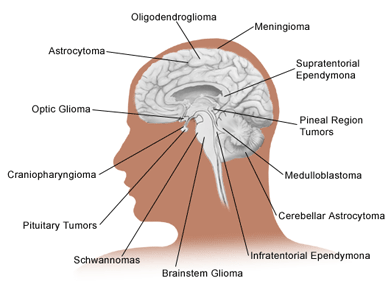
Brain cancer is a disease of the brain where cancer cells (dangerous) grown in brain tissue. Cancer cells grow to form a mass of cancerous tissue (tumor) that interferes with brain tissue functions such as muscle control, sensation, memory, and bodily functions normal. Tumors composed of cancerous cells called tumors danger (malignant), and which consists of cells that are not cancer (noncancerous) are called benign tumors (benign). Cancer cells that develop from brain tissue are called primary brain tumors. Those statistics suggest that brain cancer is not uncommon and the possibility of developing in approximately 20,000 people per year.
The definition of metastatic brain cancer

Cancer cells that develop in organs like the lungs (the primary cancer tissue type) can go to other body organs like the brain. Tumors formed by cancer cells as it is spread (metastasize) to other organs are called metastatic tumors. Metastatic brain cancer is the mass of cells (tumor) that originated from other organs and has spread into the brain tissue. Metastatic tumors in the brain are more common than primary brain tumors.
Causes of Brain Cancer

Primary brain tumors arise from many types of brain tissue (eg, glial cells, astrocytes, and brain cell types other). Metastatic brain cancer is caused by the spread of cancer cells from body organs to the brain. However, the causes for the change of normal cells into cancer cells in both tumor-metastatic and primary tumors are not completely understood. Data collected by scientists showed that people with certain risk factors (situations or things associated with people that increase the likelihood of developing problems) are more likely to develop brain cancer. Individuals with risk factors such as having a job at an oil refinery, such as chemists, people who embalm, or rubber industry worker show brain cancer rates are higher. Some families have several members with brain cancer, but heredity as a cause for brain tumors has not been proven. Other risk factors such as smoking, radiation exposure, and viral infections (HIV) has been suggested but not proven to cause brain cancer. There is no strong evidence that brain cancer is contagious, caused by head trauma, or caused by the use of phone (cell phone).

Symptoms Of Brain Cancer

The symptoms are the most common of brain cancer are weakness, difficulty walking, seizures, and headaches. Other common symptoms are nausea, vomiting, blurred vision, or changes in a person's alertness, mental capacity, memory, speech, or personality. These symptoms may also occur in people who do not have brain cancer, and none of these symptoms alone or in combination can predict that someone had brain cancer. Cancers of the brain that produce a little bit or no symptoms.
Tests Used To Diagnose Brain Cancer

Initial tests are interviews (interviews) and a physical examination by a doctor than a competent person (able). The results of these interactions will determine whether other specific tests need to be done.

The most commonly used test to detect brain cancer is the CAT scan (computed tomography or CT automated). This test is a series of x-rays and painless, although sometimes dye (dye) should be injected into a vein for pictures better than the internal structures of the brain. Another test gaining popularity because of the high sensitivity for detecting anatomic changes in the brain is MRI (magnetic resonance imaging). This test is also a series of x-rays and shows the brain structures in detail better than CT. MRI is not available covering such as CT scanning. If the tests show evidence (tumors or abnormalities in brain tissue) of brain cancer, then other doctors such as surgeons nerve, nerve experts who specialize in treating brain diseases will be consulted to help determine what should be done to treat the patient. Other tests . May be ordered by doctors to help determine the health status of patients or to detect other health problems.

Treatment For Brain Cancer

The treatment plan is made individually for each patient's brain cancer. The treatment plan is built by physicians who specialize in brain cancer, and treatments vary widely depending on the type of cancer, brain location, tumor size, patient age and general health conditions of patients. The main part of the plan is also determined by the will-the will of the patient. Patients should discuss the options (choices) treatment with their doctors.

Surgery, radiation therapy, and chemotherapy are the main treatment categories for most brain cancers. Individual treatment plans often include a combination of these treatments. Therapeutic surgery trying to remove the tumor by cutting out of the normal brain tissue. Radiation therapy to try to destroy tumor cells using high energy radiation which is focused on the tumor. Chemotherapy attempts to destroy tumor cells using chemicals (drugs) that are designed to destroy specific types of cancer cells. All treatments to try to not damage the cells of normal brain.

Other treatments that may be part of some treatment plans may include hyperthermia (heat treatments), immunotherapy (immune cells directed to kill the types of specific cancer cells), or steroids to reduce inflammation and swelling of the brain. Clinical trials (treatment plans designed by scientists to try chemicals or new methods on patients) can be another way for patients to obtain treatment specifically for their cancer cell type.

The best treatment for brain cancer is designed by a team of cancer specialists in relation to the will-the will of the patient.
 
Side Effects Of Brain Cancer Treatment

Side effects of brain cancer treatment varies with the plan of care and patient. Most treatment plans try to maintain the side effects to a minimum. For some patients, side effects of brain cancer treatment can be severe. Care plans should include a discussion of side effects and potentially allow them to develop, so patients and their care-givers (family, friends) can make decisions appropriate treatment in connection with their medical team. Also, if side effects develop, the patient has some knowledge of what to do about them such as when to take certain medicines or when to call their physicians to report health changes.

Side effects include an increase in operating  symptoms are present, damage to normal tissue scrambled, brain swelling and seizures. Other changes in brain functions such as muscle weakness, mental changes, and reduction in all brain-controlled function can occur. Combination of these side effects may occur. The side effects most apparent immediately after surgery, but often diminish with time. Occasionally, side effects are not reduced.

Chemotherapy usually affects (kills) cancer cells that are growing quickly but can also affect normal tissue. Chemotherapy is usually given intravenously so the drugs can reach most body organs. Common side effects of chemotherapy are nausea, vomiting, hair loss, and loss of energy. The immune system is often suppressed by chemotherapy, which resulted in high sensitivity to infections. Other systems, such as the kidneys and reproductive organs, may also be damaged by chemotherapy. Most of the side effects diminished over time, but some may not.

Radiation therapy has most of the side effects are the same as chemotherapy. Most of the radiation therapy is focused on brain cancer tissue, so some systems do not receive direct radiation (the immune system, kidneys, etc.). Effects on systems that do not receive direct radiation is usually not as severe as that seen with chemotherapy. However, hair and skin are usually affected, resulting in hair loss (sometimes permanently) and reddish and darkened skin that needs protection from the sun.

The Prognosis Of Brain Cancer Treated

The survival of brain cancer who are treated varies by cancer type, location, and age and overall health of the patient. In general, most treatment plans rarely result in healing. Survival of greater than five years, which are considered as long-term survival, is less than 10% no matter what treatment plan is used.

So, why use any treatment plan? Without treatment, brain cancers are usually aggressive and result in death within a short span of time. Plans of care can prolong survival and may improve patient quality of life for some time. Again, patient-care givers and providers should discuss their prognosis when deciding on treatment plans.
 
What Can I Do To Help My Family (And I) I Overcome Brain Cancer Diagnosis

Discuss your concerns-concerns openly with your doctors and family members. It is common for patients with brain cancer to worry about how they can continue to run their lives as normally as possible; is also common for them to be afraid, depressed, and angry. Most peoples cope better if they discuss the concerns and their feelings. Although some patients can do this with friends and relatives, others find comfort (Solace) in support groups (those who have brain cancer and is willing to discuss their experiences with patients other) is composed of people who have experienced situations and similar feelings. Patient care team of doctors must be capable of connecting patients with support groups.

Bone Cancer - Sign and Symptoms

Bone Cancer - Sign and Symptoms

Definition of Bone-Bone

Your body has 206 bones. These bones serve a variety of different functions. First, your bones provide structure to your body and helps provide shape. The muscles attached to bones and allow you to move. Without the bones, your body will become a heap of soft tissues without structure, and you will not be able to stand, walk, or move. Second, the bones help to protect the organs of the body more vulnerable. For example, the bones of the skull protects the brain, vertebrae of the spine (spine) to protect the spinal cord (spinal cord), and the ribs protect the heart and lungs. Third, the bones contain bone marrow (bone marrow), which create and save new blood cells. Finally, the bones of your body to help control the collection of a variety of proteins and nutrients including calcium and phosphorus.
What is cancer?

Your body is made up of many tiny structures called cells. There are many different types of cells that grow to form different parts of your body. During normal growth and development, these cells continuously grow, divide, and create new cells. This process continues throughout life even after you are no longer growing. The cells continue to divide and create new cells to replace cells that are old and damaged. In a healthy person, the body is able to control the growth and division of cells according to the necessities of the body. Cancer is when these normal control of cells lost and cells begin to grow and divide out of control. The cells also become abnormal and have altered functions in patients with cancer.

There are many different types of cancer. Cancer is usually named based on the type of cell that is affected. For example, lung cancer is caused by cells that form beyond the control of the lung, and breast cancer by the cells that make up the breast. A tumor is a collection (collection) of abnormal cells that accumulate together. However, not all tumors are cancerous. A tumor can be benign (not cancerous) or malignant (cancerous). Benign tumors are usually less dangerous and are not able to spread to other parts of the body. Malignant tumors are usually more serious and can spread to other areas in the body. The ability of cancer cells to leave their initial location and move to another location in the body is called metastasis. Metastases can occur with cancer cells enter the bloodstream or lymphatic system of the body (lymphatic system) to walk to other places in the body. When cancer cells metastasize to other parts of the body, they are still called with the type of origin of the abnormal cells. For example, if a group of breast cells become cancerous and diseased metastasize to the bones, it is called metastatic  breast cancer. Many different types of cancer are able to metastasize to the bones. Types of cancer most commonly spreads to the bones is the lung, breast, prostate, thyroid, and kidney. Most times, when people have cancer in their bones, it is caused by cancer that has spread from elsewhere in the body to the bones. It is less common to have an original bone cancer, a cancer arising from cells that make bone. It is important to determine whether the cancer in the bone is from somewhere else or from a cancer of the bone cells. The treatments for cancers that metastasize to bone is based on early type of cancer.

Definition of Bone Cancer

Bone cancer is caused by a problem with the cells that make bone. More than 2,000 people are diagnosed in the United States each year with a bone tumor. Bone tumors occur most commonly in children and adolescents and are less common in adults older. Cancer involving bone in adults, older adults are most commonly the result of metastatic spread from another tumor.

There are many different types of bone cancer. Bone tumors are most common, including osteosarcoma, Ewing's sarcoma, chondrosarcoma, malignant fibrous histiocytoma, fibrosarcoma, and Chordoma.

* Osteosarcoma is a primary malignant bone cancer the most common. It most commonly affects men between the ages of 10 and 25 years, much less common but can affect adults who are older. It often occurs in long bones of the arms and legs in areas of rapid growth around the knees and the shoulders (shoulders) of the children. This type of cancer is often very aggressive with the risk of spread to the lungs. Figures of the five-year survival is approximately 65%.
* Ewing's sarcoma is the most aggressive bone tumors and affects people younger aged between 4-15 years of age. It is more common in males and is very rare in people aged over 30 years. It most commonly occurs in the middle of the long bones of the arms and legs. Three-year survival rate is approximately 65%, but this rate is much lower if there had spread to the lungs or other tissues of the body.
* Chondrosarcoma is the most common bone tumor and is responsible both in approximately 25% of all bone tumors are malignant. These tumors arise from cells of cartilage (cartilage cells) and can grow very aggressively or relatively slowly. Unlike many other bone tumors, chondrosarcoma is most common in people aged over 40 years. It is slightly more common in men and can potentially spread to the lungs and lymph nodes. Chondrosracoma most commonly affects the bones of the pelvis and hips. Five-year survival for the aggressive form is approximately 30%, but the survival rate for tumors that grow slowly is 90%.
* Malignant fibrous histiocytoma (MFH) affects the soft tissues including muscle, ligaments, tendons, and fat. He is soft-tissue malignancy most common in later adult life, usually occur in people aged 50-60 years. It most commonly affects the limbs (legs and hands) and is approximately two times more common in men than women. MFH also has a wide limit of severity. Overall survival rate is approximately 35% -60%.
* Fibrosarcoma is much more rare than other bone tumors. It is most common in people aged 35-55 years. It most commonly affects the soft tissues of the leg behind the knee. It is slightly more common in men than women.
* Chordoma is a very rare tumor with an average survival of approximately six years after diagnosis. It occurs in adults over the age of 30 years and approximately two times more common in men than women. It most commonly affects the spinal column (spinal column) the lower end or upper end.

In addition to bone cancer, there are various types of bone tumors are benign. These include osteoid osteoma, osteoblastoma, osteochondroma, enchondroma, chondromyxoid fibroma, and giant cell tumors (which have the potential to become malignant). As with other types of benign tumors, these are not cancerous.

There are two other types of relatively common cancer that develops in the bones: lymphoma and multiple myeloma. Lymphoma, a cancer arising from cells of the immune system, usually starting in the lymph nodes but can begin in the bone. Multiple myeloma begins in the bones, but he is not usually considered a bone tumor because it is a tumor of the bone marrow cells instead of bone cells.

Bone Cancer Symptoms

The most common symptom of bone tumors is pain. In most cases, the symptoms become gradually more severe with time. At first, the pain may be present only at night or with activity. Depending on the growth of tumors, those affected may have symptoms for weeks, months, or years before seeking medical advice. In some cases, a mass or lump may be felt in the bones or in the tissues surrounding the bone. It is most common with MFH or fibrosarcoma but can occur with other bone tumors. The bones may be weakened by the tumor and lead to a fracture after a trauma (injuries) are minor or no trauma or just from standing on the affected bone. Fever, chills, night sweats, and weight loss can occur but are much less common. These symptoms are more common after the tumor has spread to other tissues in the body.
 
Diagnosing Bone Cancer

The first thing your doctor will do is take a complete medical history. This will give your doctor clues as to your diagnosis. Several types of cancer is common in people if they have family members nearby who have had the cancer type. A description (description) of your symptoms can help your doctor identify the possibility of bone cancer from other causes are possible. Next, a complete physical examination can help find the cause of your symptoms. This may include testing the strength of your muscles, feeling the touch, and reflexes. Certain blood tests may be ordered that can help identify a possible cancer.

Next, your doctor will likely order some imaging studies (imaging). X-rays are often ordered first. In some cases, if cancer is identified very early it might not show up on plain x-rays. The appearance of a tumor on x-rays can help determine the type of cancer and whether it is benign or malignant. Benign tumors are more likely to have an edge (boundary) is smooth where malignant tumors are more likely to have a ragged edge. This is because benign tumors typically grow more slowly and the bone has time to try to surround the tumor with normal bone. Malignant tumors are more likely to grow more quickly, not giving the normal bone a chance to surround the tumor.

A CT scan (CAT scan or computed tomography) is a more advanced tests that can provide a cross sectional picture of your bones. This test provides very good detail of your bones and is better able to identify a possible tumor. He also provides additional information on the size and location of the tumor.

An MRI (magnetic resonance imaging) is another advanced tests that can also provide cross sectional images of your body. MRI provides better detail of soft tissues including muscles, tendons, ligaments, nerves and blood vessels rather than a CT scan. This test can provide better detail on whether or not the tumor has broken through the bone and bone involving the soft tissues surrounding it.

A bone scan is a test that identifies areas of bone that grows or changes shape rapidly. Bone scans are often taken from the entire body. This test may be ordered to see if there are any other areas of bone involvement throughout the body.

If a tumor is identified, your doctor will use all information from history and physical examination along with laboratory studies and imaging to put together a list of possible causes (differential diagnosis).

Your doctor may then obtain a biopsy sample of the tumor. This involves taking a small sample of the tumor that can be tested in the laboratory to determine the type of tumor. Biopsies can be obtained through a small needle (needle biopsy) or through a small incision (incisional biopsy).

Treating Bone Cancer

There are many different methods are available for your doctor to treat bone cancer. The best treatment is based on the type of bone cancer, the location of the cancer, how aggressive the cancer, and whether or not the cancer invades the surrounding tissues or distant (metastasized). There are three main types of treatment for bone cancer: surgery, chemotherapy, and radiation therapy. This can be used individually or combined with each other.

Surgery is often used to treat bone cancer. The goal of surgery is usually to remove the entire tumor and a surrounding area of ​​normal bone. After the tumor is removed, a pathologist (pathologist) test to determine whether there is a completely normal bone surrounding the tumor. If a portion of the cancer left behind, he can continue to grow and spread, requiring further treatment. Historically, amputation, amputation is often used to remove bone cancer. Newer techniques have reduced the need for amputation. In many cases, the tumor can be removed with a rim (rim) of normal bone without the need for an amputation. Depending on the amount of bone removed, the surgeon will replace something on their location. For areas smaller, this is probably the bone cement (bone cement) or a bone graft (bone graft) from somewhere else your body or from the bone bank. For areas larger, the surgeon may place the graft-graft greater than the bank bone or metal implants. Some of the metal implants is the possession of the ability to elongate when used in children who are growing.

You may be referred to a medical cancer specialist (oncologist) to chemotherapy. It is the use of various medications used to try stop the growth of cancer cells. Chemotherapy can be used before surgery to try to shrink the tumors of bone to make the surgery easier. He can also be used after surgery to try to kill cancer cells remaining after surgery left.

You may also be referred to a specialist radiation for cancer radiation therapy. Radiation therapy uses high-powered x-rays directed at the site of the cancer to try to kill cancer cells. This treatment is administered in small doses every day over a period of time from days to months.

Side effects Bone Cancer Treatment

Unfortunately, there are risks and side effects with each treatment for bone cancer. The main risks associated with surgery include infection, recurrence of cancer, and injury to surrounding tissues. In order to remove the entire cancer and reduce the risk of recurrence, some surrounding normal tissue should also be removed. Depending on the location of the cancer, this may require removal of portions of bones, muscles, nerves, or blood vessels. This can cause weakness, loss of sensation, and the risk of broken bones or fractures of the bones remained. You can be referred to a specialist rehabilitation for physical and occupational therapy after surgery to try to improve your strength and function.

Chemotherapy uses drugs that are very strong to try to kill cancer cells. Unfortunately, some normal cells are also killed in the process. The drugs are designed to kill cells that are dividing or growing rapidly. Normal cells that are affected often include hair, blood-forming cells, and cells lining the digestive system. Side effects include nausea and vomiting, hair loss, infections, and fatigue. Fortunately, these side effects usually disappear after chemotherapy is completed. Good nutrition is essential for your body to fight cancer. You may be referred to a nutritionist to help with this, especially if you experience nausea and loss of appetite.

The main side effects from radiation therapy include fatigue, loss of appetite, and damage to the skin and soft tissues around it. Previous radiation therapy may also increase the risk of injury problems of operating in the same area.
 
Future-Patients For Patients With Bone Cancer

There have been many recent advances in the understanding and treatment of bone cancer. This has led to more focused radiation therapy to reduce the person is at risk in the surrounding tissues, combination of chemotherapy better with risks and side effects are fewer, and treatment options that have been repaired, including a rescue operation member body, which reduces the need for amputation.

Right now a lot of work being done on each of these areas and so are investigations on the causes of cancer-causes. It is hoped that a better understanding of the specific causes of cancer will lead to gene therapy techniques to target specific cancer cells with limited risk on other normal cells.

Kidney Cancer - Sign and Symptoms

Kidney Cancer - Sign and Symptoms

Kidney

The kidneys are a pair of organs on each side of the spine (spine) in the lower abdomen. Each kidney is about the size of a fist. Attached to the top of each kidney is an adrenal gland. A mass of fatty tissue and an outer layer of fibrous tissue (Gerota's fascia) surrounding the kidneys and adrenal glands.

The kidneys are part of the channel urine (pee). They make urine by removing waste and excess water from the blood. Urine was gathered in a hollow space (renal pelvis) in the middle of each kidney. It flows from the renal pelvis into the bladder through a tube called a ureter. Urine leaves the body through another tube (urethra).

The kidneys also make substances that help control blood pressure and the production of red blood cells.

Understand Cancer

Cancer begins in cells, the building blocks that make up tissues. Tissues form organs.

Normally, cells grow and divide to form new cells as the body needs them. When cells grow old, they die, and new cells take their place.

Sometimes this orderly process goes wrong. New cells form when the body does not need them, and old cells do not die when they should die. These extra cells can form a mass of tissue called a growth or tumor.

Tumors can be benign or malignant:

* Benign tumors are not cancer:
o Benign tumors are rarely life threatening.
o Usually, benign tumors can be removed / excluded, and they seldom grow back.
o Cells from benign tumors do not invade tissues around them or spread to other parts of the body.
* Malignant tumors are cancer:
o Malignant tumors are generally more serious than benign tumors. They may be life threatening.
o Malignant tumors often can be removed / excluded, but they can grow kebali.
o Cells from malignant tumors can invade and damage tissues and organs nearby. Also, cancer cells can spread from a malignant tumor and enter the bloodstream or lymphatic system (lymph nodes). That is how cancer cells spread from the original cancer (primary tumor) to form new tumors in other organs. The spread of cancer is called metastasis.

Several types of cancer can start in the kidney. This article is about renal cell cancer, the most common type of kidney cancer in adults. This type is sometimes called renal adenocarcinoma or hypernephroma. Another type of cancer, transitional cell carcinoma, affects the renal pelvis. He is similar to bladder cancer and is often treated like bladder cancer. Wilms tumor is the most common type of kidney cancer of childhood. He is different from adult kidney cancer and requires different treatment.

When kidney cancer spreads outside the kidney, cancer cells are often found in lymph nodes nearby. Kidney cancer also may spread to the lungs, bones, or liver. And it may spread from one kidney to the other kidney.

When cancer spreads (metastasizes) from its original location to other parts of the body, the new tumor has the same kind of abnormal cells and the same name as the primary tumor. For example, if kidney cancer spreads to the lungs, the cancer cells in the lungs are actually kidney cancer cells. The disease is metastatic kidney cancer, not lung cancer. He was treated as a kidney cancer, not lung cancer. Doctors sometimes call the new tumor as metastatic disease or disease "remote".
At the risk of Kidney Cancer

Kidney cancer develops most often in people aged 40 years or older, but no one know the exact causes of this disease. Doctors can seldom explain why one person develops kidney cancer and another does not. However, it is clear that kidney cancer is not contagious. No one can "catch" this disease from others.

Research has shown that people with certain risk factors are more likely than others to develop kidney cancer. A risk factor is anything that increases a person's chance of developing a disease.

Studies have found that risk factors for kidney cancer the following:

* Smoking: Cigarette smoking is a major risk factor. Cigarette smokers are two times more likely than nonsmokers to develop kidney cancer. Cigar smoking also may increase the risk of this disease.
* Overweight: The people who are overweight have an increased risk of kidney cancer.
* High blood pressure: High blood pressure increases the risk of kidney cancer.
* Long-term dialysis: Dialysis is a treatment for people who kidneys are not working properly. He issued wastes from the blood. Being on dialysis for many years was a risk factor for kidney cancer.
* Von Hippel-Lindau (VHL) syndrome: VHL is a rare disease that is circulating in some families. It is caused by changes in the VHL gene. An abnormal VHL gene increases the risk of kidney cancer. It also can cause cysts (cysts) or tumors in the eyes, brain, and other parts of the body. Family members of those with this syndrome can get a test to examine the possibility of the abnormal VHL gene. For people with the abnormal VHL gene, doctors may suggest ways to improve the detection of kidney cancer and other diseases before symptoms develop.
* Occupation: Some people have a higher risk of getting kidney cancer Because They come in contact with Certain chemicals or substances in Their workplace. Coke oven workers in the iron and steel industry are at risk. Workers exposed to asbestos or cadmium also may be at risk.
* Gender: Men are more likely than women diagnosed with kidney cancer. Every year in America, about 20.000 men and 12.000 women learn that they have kidney cancer.

Most people who have these risk factors do not get kidney cancer. On the other hand, most people who get this disease have no risk factors are unknown. People who think they may be at risk should discuss this concern with their doctor. Your doctor may be able to suggest ways to reduce risk and can plan an appropriate schedule for checkups.

Symptoms of Kidney Cancer

Common symptoms of kidney cancer include:

* Blood in the urine (making the urine slightly rusty red or red inside)
* Pain in the side that is not lost
* A lump or mass on the side or stomach
* Losing weight
* Fever
* Feeling very tired or have an overall feeling of poor health

Most often, these symptoms does not mean cancer. An infection, a cyst, or another problem also could cause similar symptoms. A person with any of these symptoms should visit a doctor so that any problems can be diagnosed and treated as early as possible.
Diagnosing Kidney Cancer

If a patient has symptoms that suggest kidney cancer, doctors may perform one or more of the following procedures:

* Physical examination: The doctor checks general signs of health and tests for fever and high blood pressure. Doctors also feel (feeling) the abdomen and waist for tumors.
* Urine tests: Urine is checked for blood and other signs of disease.
* Blood tests: The lab checks the blood to see how well the kidneys are working. The lab may check the level of some compounds, such as creatinine. A high level of creatinine may mean the kidneys are not doing their job.
* Intravenous pyelogram (IVP): The doctor injects dye (dye) into a vein in the arm. The dye travels through the body and collects in the kidneys. The dye makes them visible on x-rays. A series of x-rays then track the dye as it moves through the kidneys to the ureters and bladder. X-rays can show a kidney tumor or other problems.
* CT scan (CAT scan): An x-ray machine linked to a computer takes a series of detailed pictures of the kidneys. Patients may receive an injection of dye so the kidneys show up clearly in the pictures. A CT scan can show a kidney tumor.
* Tests Ultrasound: The ultrasound device uses sound waves that people can not hear. Wave-gelombag bounce off the kidneys, and a computer uses the echoes to create a picture called a sonogram. A solid tumor or cyst on a sonogram.
* Biopsy: In some cases, doctors may do a biopsy. A biopsy is the removal of tissue to look for cancer cells. The doctor inserts a thin needle through the skin into the kidney to remove a small amount of tissue. Your doctor may use ultrasound or x-rays to guide the needle. A pathologist uses a microscope to find cancer cells in tissue.
* Operation: In most cases, based on the results of CT scans, ultrasound, and x-rays, doctors have enough information to recommend surgery to remove part or all of the kidney. A pathologist makes the final diagnosis by examining tissue under a microscope.
Treating Kidney Cancer
Pen-stage-an

To plan the best treatment, doctors need to know the stage (extent) of disease. Staging is based on the size of the tumor, whether the cancer has spread and, if so, to what parts of the body.

Staging may involve imaging tests (imaging) such as an ultrasound scan or a CT scan. Doctors also may use an MRI. For this test, a powerful magnet linked to a computer makes detailed pictures of organs and blood vessels.

Doctors describe kidney cancer by the following stages:

* Stage I is an early stage of kidney cancer. Tumors measuring up to 2 3 / 4 inches (7 centimeters). He is no bigger than a tennis ball. Cancer cells are found only in the kidney.
* Stage II is also an early stage of kidney cancer, but tumors measuring more than 2 3 / 4 inches. Cancer cells are found only in the kidney.
* Stage III is one of the following: The tumor does not extend beyond the kidney, but cancer cells have spread through the lymphatic system to an adjacent lymph node, or the tumor has invaded the adrenal gland or the layers of fat and fibrous tissue surrounding the kidney, but cancer cells are still not spread beyond the fibrous tissue. Cancer cells may be found in one nearby lymph node; or cancer cells have spread from the kidney to a large blood vessels adjacent. Cancer cells may be found in an adjacent lymph node.
* Stage IV is one of the following: Tumr extends beyond the fibrous tissue that surrounds the kidney; or cancer cells are found in more than one nearby lymph node, or the cancer has spread to other places in the body such as the lungs.
* The cancer relapse was kaker who have returned (relapse) after treatment. He may return in the kidney or in other parts of the body.

Treatment

Many people with kidney cancer want to take an active part in making decisions about their medical care. They want to learn all they can about their disease and their treatment choices. However, shock (shock) and stress after the diagnosis can make it difficult to think of everything that they want to ask the doctor. It is often helpful to make a list of questions before an appointment. To help remember what the doctor says, people may take notes or ask whether they may use a tape recorder. Some also want to have a family member or friend with them when they talk with the doctor - to take part in the discussion, to take notes, or just listen.

Physicians may refer patients to a specialist, or patients may ask for a referral. Specialists who treat kidney cancer include doctors who specialize in diseases of the urinary system (urologists) and doctors who specialize in cancer (medical oncologists and radiation oncologists)
.
Getting a second opinion (second opinion)

Before starting treatment, people with kidney cancer may want a second opinion about diagnosis and treatment plan. Some insurance companies require a second opinion; others may be complementary to a second opinion if the patient or doctor requests it.

There are a number of ways to find a doctor for a second opinion:

* Physicians may refer patients to the patient one or more specialists. At cancer centers, several specialists often work together as a team.
* Cancer Information Service at 1-800-4-CANCER, can tell callers about the caller-care centers nearby.
* A local or state medical society, a nearby hospital, or a medical school can usually provide the names of specialists.
* American Board of Medical Specialties (ABMS) offers a list of doctors who have met the demands of specific education and training and have passed an exam kespesialisan. User guide (directory) they - Official ABMS Directory of Board Certified Medical Specialists - registering the names of doctors along with their kespesialisan and their educational background. User guide (directory) is available at most public libraries. Also, ABMS offers this information by telephone and on the Internet. Toll-free telephone number is 1-866-ASK-ABMS (1-866-275-2267). Internet address is http://www.abms.org.
* NCI provides a helpful fact sheet about how menemuka a doctor called "How to find a doctor or treatment facility if you have cancer". He is available on the Internet at http://cancer.gov/publications.

Preparation for treatment

Treatment depends mainly on the stage of disease and general health and age of the patient. The doctor can describe treatment choices and discuss the expected results. Physicians and patients can work together to develop a treatment plan that matches the patient's purposes.

People do not need to ask all their questions or understand all the answers promptly. They will have other opportunities to ask the doctor to explain things that are not clear and to ask for more information.

Methods of Treatment

People with kidney cancer may have surgery, arterial embolization, radiation therapy, biological therapy, or chemotherapy. Some may have a combination of treatments.

At each stage of disease, people with kidney cancer may have treatment to control pain and other symptoms, to eliminate the side effects of therapy, and to alleviate the emotional issues and practical. This type of treatment is called supportive care, management of symptoms, or treatments that alleviate or relieve. Information on supportive care is available on the NCI website at http://cancer.gov and from NCI's cancer information service at 1-800-4-CANCER.

A patient may want to talk to your doctor about taking part in a clinical trial, a research study of treatment methods are new.
Operation

Surgery is the most common treatment for kidney cancer. He is a type of local therapy. He treat cancer in the kidney and the area near the tumor.

An operation to remove the kidney is called a nephrectomy. There are several types of nephrectomies. Type depend especially at the stage of the tumor. The doctor can explain each operation and discuss which is most suitable for patients:

* Radical nephrectomy: Kidney cancer is usually treated with radical nephrectomy. The surgeon removes the entire kidney along with the adrenal gland and some tissue around the kidney. Some lymph nodes in the area may also be removed.
* Simple nephrectomy: The surgeon removes only the kidney. Some people with stage I kidney cancer may have a simple nephrectomy.
* Partial nephrectomy: The surgeon removes only part of the kidney containing the tumor. These types of operations may be used when a person has only one kidney, or when the cancer affects both kidneys. Also, a person with a small kidney tumor (less than 4 centimeters or three-fourths inch) may have this type of operation.
Arterial embolization

Arterial embolization is a type of local therapy that shrinks the tumor. Sometimes it is done before an operation to make surgery easier. When surgery is not possible, embolization may be used to help relieve the symptoms of kidney cancer.

The doctor inserts a narrow tube (catheter) into a blood vessel in the leg. The tube is passed up to the main large vessels (renal arteries) that supply blood to the kidneys. The doctor injects the compound into the blood vessel to block blood flow into the kidney. Obstacles or barriers to prevent the tumor from getting oxygen and other compounds that he needs to grow.
Radiation Therapy

Radiation therapy (also called radiotherapy) is another type of local therapy. He uses high-powered rays to kill cancer cells. It affects cancer cells only treated diarea. A large machine directs radiation at the body. Patients receive care in a hospital or clinic, 5 days a week for several weeks.

A small number of patients have radiation therapy before surgery to shrink the tumor. Some have it after surgery to kill cancer cells that may remain in the area. The people that can not have surgery may have radiation therapy to relieve pain and other problems caused by cancer.
Biological Therapy

Biological therapy is a type of systemic therapy. He uses compounds that travel through the bloodstream, reach and affect cells throughout the body. Biological therapy uses the body's natural ability (immune system) to fight cancer.

For patients with metastatic kidney cancer, doctors may suggest interferon alpha or interleukin-2 (also called IL-2 or aldesleukin). The body normally produces these substances in small amounts in response to infections and other diseases. For cancer treatment, they are made in the laboratory in large numbers.
Chemotherapy

Chemotherapy also is a type of systemic therapy. Anticancer drugs enter the bloodstream and travel throughout the body. Although useful for many other cancer-Kaner, OBT anticancer drugs have shown limited use against kidney cancer. However, many doctors are studying new drugs and new combinations that might prove more useful.

Side effects Kidney Cancer Treatment

Because treatment may damage cells and tissues healthy, side effects are generally undesirable. These side effects depend mainly on the type and extent of treatment. Side effects probably are not the same for everyone, and they may change from one treatment session to the next. Before treatment starts, the health care team will explain possible side effects and suggest ways to help patients control them.

NCI provides a useful brochures about cancer treatments and cope with side effects, such as Radiation Therapy and You, Chemotherapy and You, and Eating Hints for Cancer Patients-Patients.
Operation

Is to take some time to heal after surgery, and the time required for healing is different for each person. Patients are often uncomfortable during the first few days. However, medicine can usually control their pain. Before surgery, patients should discuss the plan for pain relief with your doctor or nurse. After surgery, the doctor can adjust the plan if necessary more remover pain.

It is common to feel tired or weak for a while. Team health nurses observe patients for signs of kidney problems by monitoring the amount of fluid that be drunk patients and the amount of urine produced. They are also watching for signs of bleeding, infection, or issues that require immediate care. Lab tests help the health care team monitor for signs of problems.

If one kidney is removed, the remaining kidney is generally able to carry out the work of both kidneys. However, if the remaining kidney is not working well or if both kidneys are removed, dialysis is necessary to cleanse the blood. For some patients, kidney transplantation may be an option (option). For this procedure, surgeons replace the patient's kidney transplantation with a healthy kidney from a donor.
Arterial embolization

After arterial embolization, some patients have back pain or develop a fever. Other side effects are nausea and vomiting. These problems soon disappeared.
Radiation Therapy

Side effects from radiation therapy depend mainly on the amount of radiation given and the part of the body being treated. Patients are likely to become very tired during the applicable radiation, especially in the later weeks of treatment. Resting is important, but doctors usually advise patients to try to stay as active as they are.

Radiation therapy to the kidney and adjacent areas may cause nausea, vomiting, diarrhea, or discomfort throwing urine. Radiation therapy also may cause a reduction in the number of white blood cells healthy, which helps protect the body against infection. As with addition, the skin in the treated area may sometimes become red, dry, and sensitive. Although side effects from radiation therapy can be distressing, your doctor can usually treat and control them.
Biological Therapy

Gejal biological therapy may cause flu-like symptoms, such as chills, fever, muscle aches, weakness, loss of appetite, nausea, vomiting, and diarrhea. Patients also may get a skin rash (skin rash). These problems can be severe, but they disappear after treatment is stopped.
Chemotherapy

The side effects of chemotherapy depend mainly on specific drugs and the amount received at one time. In general, anticancer drugs affect cells that divide rapidly, especially:

* Blood cells: These cells fight infection, help blood to clot / freezes, and carry oxygen to all parts of the body. When drugs affect blood cells, patients are more likely to get infections, may mememar or bleed easily, and may feel very weak and tired.
* Cells in hair roots: Kemoeterapi can cause hair loss. Hair grows back, but sometimes the new hair is slightly different in color and texture.
* The cells lining the digestive tract: Chemotherapy can cause poor appetite, nausea and vomiting, diarrhea, or twists and mouth and lip sores. Many of these side effects can be controlled with medications.
Nutrition

Patients need to eat well during cancer therapy. They need enough calories to maintain a good weight and protein to maintain strength. Good nutrition often helps people with cancer feel better and have more energy.

But eating well can be difficult. Patients may not feel like eating if they are uncomfortable or tired. Also, the side effects of treatment, such as poor appetite, nausea, or vomiting, can be a problem. Some patients find that foods do not taste as good during cancer therapy.

Doctor, dietitian, or other health nurse can suggest ways to maintain a healthy diet. Patients and their families may want to read the brochures the National Cancer Institute on Healthy Eating Hints for Cancer Patients-Patients, which contains many ideas and recipes handy.

Follow-up Treatment For Kidney Cancer

Follow-up care after treatment for kidney cancer is important. Even when the cancer seems to have been fully removed or destroyed, the disease sometimes go back because the cancer cells can live inside the body after treatment. Doctors monitor the healing of people treated for kidney cancer and test the recurrence of cancer. Checkups help ensure that any changes in the health record. The patient may have lab tests, chest x-rays, CT scans, or other tests.

NCI has prepared a brochure for people who have completed their treatment to help answer questions about follow-up care and concern, other concerns.
Support for people with kidney cancer

Living with a serious illness such as kidney cancer is not easy. People with kidney cancer may be concerned about serving their families, keeping their jobs, or continuing daily activities. Concerns-concerns about the treatments and control the side effects, hospitalization, hospital hospitalization, and medication bills are also common. Doctors, nurses, and other members of the health care team can answer questions about treatment, working, or other activities. Met a social worker, counselor, or member of the religious can be beneficial to those who want to talk about their feelings or discuss their concerns-concerns. Often, a social worker can suggest resources for financial aid, transportation (transport), home care, or emotional support.

Support groups can also help. In these groups, patients or their family members meet with other patients or their families to share what they have learned about coping with illness and the effects of treatment. These groups may offer support in private, via telephone, or on the Internet. Patients may want to talk to a member of their health care team about finding a support group.

Cancer Information Service at 1-800-4-CANCER can provide information to help patients and their families find programs, services, and publications.

Promise of Cancer Research

Doctors across the country are conducting many types of clinical trials-experiment. These are research studies where people take part voluntarily. In clinical trials, doctors are trying new ways to treat kidney cancer. Research has led to advances, and researchers are continually seeking approaches more effective.

Patients who join these studies have their first chance to benefit from treatments that have shown promise in early studies. They also make an important contribution to medical science by helping doctors learn more about the disease. Although clinical trials may expose some of the risks, researchers do all they can to protect their patients.

Researchers are studying surgery, biological therapy, chemotherapy, and combination of these types of treatments. They also combine chemotherapy with new treatments, such as stem cell transplantation. A stem cell transplant allows a patient treated with high doses of drugs. High doses destroy both the cancer cells and normal blood cells in the bone marrow (bone marrow). Then, the patient receives stem cells from a healthy donor. Blood cells emerging from the stem cells were transplanted.

Other approaches also exist in these studies. For example, researchers are studying cancer vaccines that help the immune system for find and destroy cancer cells of the kidney.

Patients who are interested in being part of a clinical trial should talk with their doctor. They may want to read Taking Part in Clinical trials: What you need to know cancer patients. NCI also offers an easy to read brochure called If You Have Cancer ... What You Should Know About Clinical Trial-Trial. NCI publications describe how research studies carried out and explains the potential benefits and their risks. 

Attention...!!!

All information on this website are intended as general knowledge to you and is not intended to diagnose and treat health problems and illnesses without consulting your doctor. At least you can tell the doctor complaints / symptoms of your illness and you can understand about the diagnosis that a doctor be notified to you.